When organising an event, it’s all about creating an environment where everyone can fully participate, connect and enjoy. Whether you’re planning a grand public event or designing a lively public space, there are several things organisations can do that will help make it Deaf-friendly and unforgettable.
To create an environment where all attendees are fully immersed in these experiences, and engaged with their surroundings, it’s all about inclusivity and accessibility. In this blog post, we’ll provide you with a guide of practical tips and considerations to make your public events and spaces more accessible for Deaf attendees.
With thoughtful planning and an inclusive approach, it’s completely possible to design an environment where Deaf individuals can have an equally rewarding and engaging experience as those who can hear. From ensuring clear communication through interpreters or written materials to mindful spatial design that caters to visual communication, many elements can contribute to creating a Deaf-friendly space.
Technology, too, has a significant role to play, with a range of tools and devices available that can bridge the communication gap and make the event experience seamless for Deaf attendees.
However, true inclusivity goes beyond just providing physical accommodations or technology. It’s about fostering an atmosphere of understanding, respect and equal participation. It involves raising awareness about Deaf culture and promoting a sense of belonging among all attendees, regardless of their hearing ability.
We’ll delve deeper into these aspects, giving you a comprehensive understanding of what it means to be truly Deaf-inclusive. Whether you’re a seasoned event organiser or are just starting to venture into creating public spaces, these insights will prove valuable.

The importance of creating accessible events for the Deaf community
Creating accessible events for the Deaf community is not just about ticking a box – it’s about embracing inclusivity, diversity and celebrating the richness of human experiences. When events are accessible, Deaf individuals can fully participate, engage and enjoy the experience alongside their hearing peers. Accessible events also contribute to a more inclusive society. When we prioritise inclusivity, we send a powerful message about our commitment to diversity and respect for all individuals. It’s about creating a world where Deaf individuals can explore their passions, attend enriching events, and fully engage in social and cultural activities.Five adjustments organisers can make to create a more inclusive event
Ensuring that your event is inclusive and accessible to all attendees, including those who are Deaf or Hard of Hearing, requires thoughtful planning and a careful eye for detail. There are practical measures and adaptations you can make to ensure everyone feels welcome and can fully participate. From embracing assistive technologies to providing sign language interpreters and paying attention to the layout and lighting of your venue, there are numerous ways to enhance accessibility. The aim of these adjustments is not just to tick a box on an inclusivity checklist, but to foster an atmosphere of genuine inclusivity and ensure everyone has a rich and rewarding event experience. Some of the steps you can take to create events that are as diverse, inclusive, and enjoyable as possible include:Provide sign language interpreters
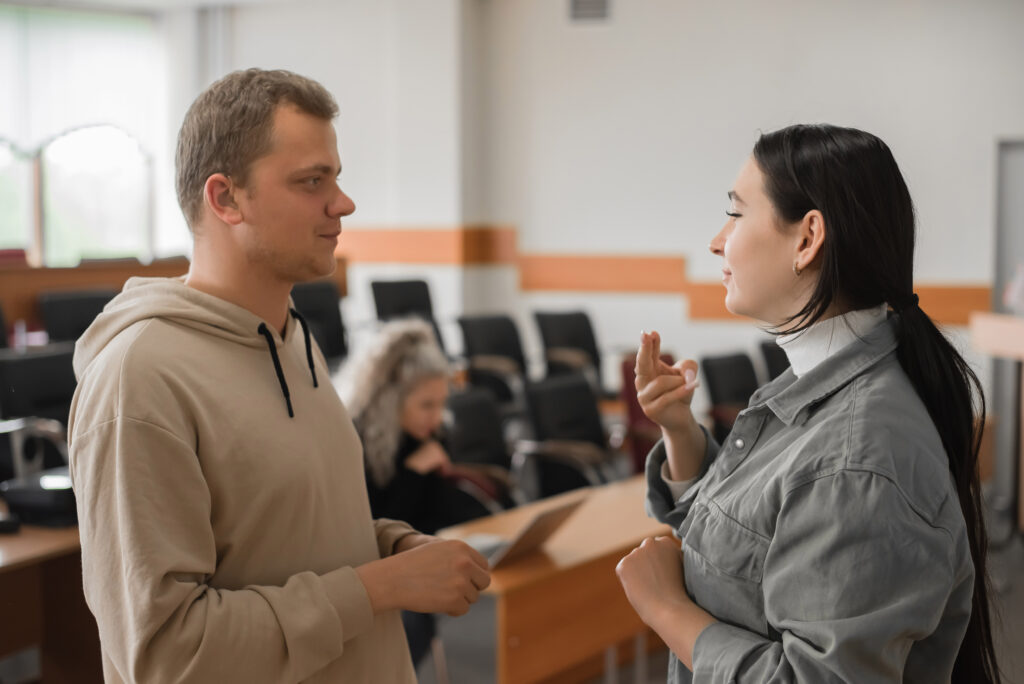
One of the most effective ways to make an event accessible to Deaf attendees is by offering professional sign language interpreters. These skilled individuals can bridge the communication gap and ensure that Deaf participants can understand and actively engage in presentations, speeches and discussions. Remember to hire interpreters who are experienced in the specific subject matter of the event, as this enhances accuracy and effectiveness.