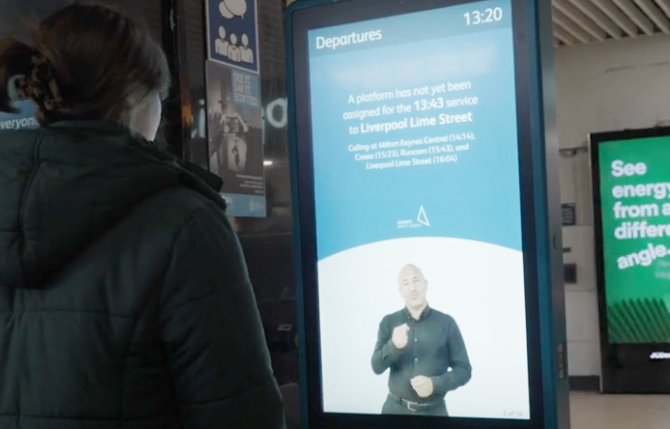
Access to digital information and services is more essential than ever. Whether it’s finding out how to book a GP appointment, applying for benefits or understanding public health advice, much of our everyday interaction with public services happens online.
But for the 151,000 British Sign Language (BSL) users in the UK, it presents a unique set of challenges. One that often leaves a large proportion of the Deaf community excluded from the digital landscape.
The growing disparity has sparked a debate about the need for BSL translation on public sector websites. It isn’t just about convenience. It’s a fundamental issue of equality and inclusivity in our increasingly digital society.
This blog explores the complexities of implementing BSL translations across public sector platforms to ensure equal access to vital information and services for all members of society.
Breaking down barriers to access for Deaf people
The Equality Act 2010 makes it clear: public sector organisations have a responsibility to ensure their services are accessible to all, including those with disabilities.
However, many websites still fall short of being fully inclusive for Deaf BSL users. While written content may be accessible to some, a large portion of the Deaf community prefers or relies on BSL as their primary language.
It’s vital to understand that BSL is not a direct translation of English. It has its own structure, grammar and nuances that don’t always translate seamlessly into written text.
Providing information in BSL via videos or live interpretation can significantly enhance access and empower Deaf users to independently navigate public services without additional assistance.
Offering BSL translation helps break down communication barriers, promote equal access and ensure public services reach everyone, regardless of their preferred mode of communication.
Improving trust and independence when using public sector websites
For many Deaf individuals, relying on friends or family to interpret information can compromise their independence and privacy. This is especially sensitive when accessing health services or other personal information.
Without BSL translations available online, some Deaf people might avoid using certain services altogether, simply because the experience is too complicated or inaccessible.
Imagine trying to apply for Universal Credit or understand an important tax document in a language you’re not comfortable with. It can be frustrating, isolating and unnecessary in an age where accessible solutions are available.
BSL translation can help bridge this gap, ensuring Deaf individuals can access essential services with confidence and trust in the system.
Enhancing communication in times of crisis
The COVID-19 pandemic highlighted just how important accessible communication is in times of crisis.
During such times, rapid access to accurate, clear information can be a matter of life and death. Yet, many public health messages failed to reach Deaf BSL users in an accessible format. This created significant gaps in communication, putting Deaf people at risk of missing out on crucial updates.
Offering BSL translations as standard on public sector websites ensures the Deaf community is always kept informed, particularly during emergencies or when fast action is required. It demonstrates a commitment to inclusivity and human rights—values that should be at the heart of all public services.
The impact of accessible websites for the Deaf community
Providing BSL translations on public sector websites isn’t just about compliance; it’s about creating a society where everyone can access the same information in a way that suits their needs.
From Council Tax forms to healthcare information, making public services available in BSL is a simple but effective way to promote inclusivity, independence and dignity for Deaf individuals.
Technology already offers countless possibilities for improving accessibility, from on-demand interpreting services (like our InterpretersLive! platform) to BSL video translations.
Public sector organisations can ensure their digital services are truly open to all by embracing these tools, delivering an inclusive experience that benefits the entire community.
How can Sign Solutions help?
As the world becomes increasingly digital, there’s no excuse for leaving the Deaf community behind.
Public sector websites should reflect the diversity of the people they serve. That includes providing BSL translations to ensure equal access for Deaf BSL users.
It’s a step that brings us closer to a fairer, more inclusive society — one where everyone can engage with the services they need, when they need them.
Accessibility is not a luxury. It’s a right.
Public sector organisations have a responsibility to ensure their digital services are fully accessible to all users. Offering BSL translations on websites is a critical part of fulfilling that responsibility.
That’s where Sign Solutions can help. We provide BSL interpreting and translation services, plus expert consultancy, to help ensure your organisation is as accessible as possible, to attract and serve Deaf customers and offer equal opportunities for Deaf employees.
All the skilled BSL interpreters we work with are DBS-checked and NRCPD-registered and can provide a high-quality service to Deaf people across the UK. We can also provide a range of accredited communications professionals for Deaf, Deafblind and hard of hearing users.
To find out more and for expert advice on which type of communication support will meet your needs, give us a call on 0843 178 0773, email bookings@signsolutions.uk.com or contact us via a BSL video interpreter.