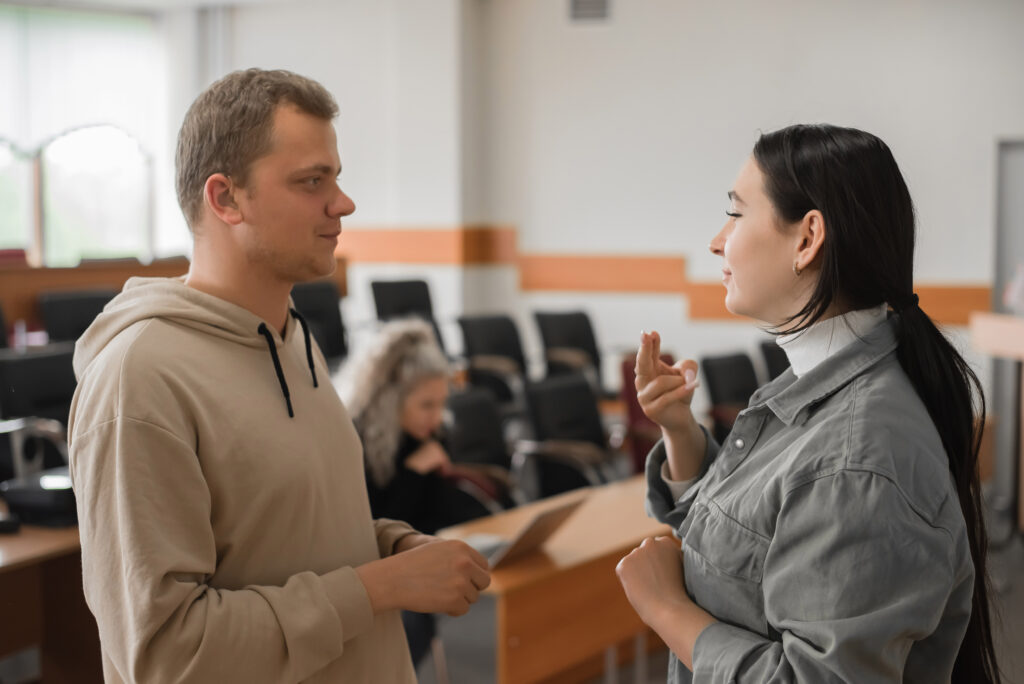
Accessibility and inclusion are two important concepts that are often discussed in relation to disability discrimination.
Accessibility is about making sure that barriers that may prevent people with disabilities from taking part are removed.
Inclusion is about going a step further and ensuring that people with disabilities are included as valuable members in all aspects of society. This includes things like listening to views and opinions and allowing people with disabilities to contribute to planning, decisions and their futures.
There is a lot of overlap between
accessibility and inclusion, but there are also some key differences, and that’s what this blog focuses on.
What does accessibility mean?
“The quality of being easily reached, entered, or used by people who have a disability.”
Accessibility is about making sure that everyone, regardless of their race, gender, sexuality, or disability, can have an equal opportunity to access services and activities.
This includes things like ensuring that buildings are accessible to people with disabilities, which may require specialist signage, physical adaptations, or BSL accessible information.
Accessibility is all about meeting the various needs of your stakeholders to ensure they can access your physical and digital services as well as your processes. There are many ways to do this, so seeking specialist advice from expert organisations, such as Sign Solutions, is vital.
What does inclusivity mean?
“The practice or policy of providing equal access to opportunities and resources for people who might otherwise be excluded or marginalised”
Inclusion is a broader concept than accessibility. It’s not just about making sure that everyone can access society on an equal basis. It’s about actively welcoming and including everyone in a way that suits them. Inclusion means creating an environment where everyone feels valued, respected and has the opportunity to reach their full potential.
An inclusive environment means that anyone can participate and contribute without having to change, conform or simply miss out and feel discriminated against.
The importance of inclusivity and accessibility
It’s important to understand the difference between accessibility and inclusion because creating an accessible world is not enough. We must strive for an inclusive world in which everyone has an equal chance to participate and feel valued. This requires a commitment to ending discrimination in all forms.
Improved accessibility and inclusion in all settings, like schools, workplaces and in healthcare, will aid in creating a better experience for people, whether they have learning difficulties, hidden or invisible disabilities or just need extra assistance and support.
For the Deaf community in particular, many face Audism from hearing individuals. Audism is an assumption based on those with the ability to hear and speak being superior to those who don’t. This attitude actively discriminates against Deaf and hard of hearing people.
How to make a business more accessible
To be an accessible business for Deaf and hard of hearing consumers you need to ensure your content, marketing and
customer experience cover all bases. Educating yourself and your staff will help break down any barriers or misconceptions about the Deaf community and empower your Deaf employees in a way that’s inclusive for all. You may want to consider:
Closed Captioning
By displaying captions on videos, you allow Deaf people to engage with your content.
Transcriptions
Transcribing videos can provide alternative access for those who may struggle to read captions in real-time. Transcriptions mean a Deaf person can take their time to read your content which can be enhanced by additional accessible features such as font size changes, colour adaptations, or a screen reader to aid those who may be Blind or visually impaired.
British Sign Language (BSL)
To become more accessible for Deaf sign language users, you will need to use BSL interpreters and translations for live and digital content. You can also enhance engagement by teaching staff the basics of sign language. This will improve customer service and inclusion for Deaf employees.
BSL interpreters
Regularly using a
sign language interpreter within your business will send out a clear message that you take inclusion and accessibility seriously, care about all your staff and customers, and strive to treat them all with the same level of respect.
Deaf awareness training
Deaf awareness training will help you and your marketing team to understand the Deaf community and how to communicate your message effectively, connecting with your Deaf consumers in more genuine and authentic ways.
How can Sign Solutions help?
Effective communication is crucial for businesses and organisations of all sizes.
It helps develop better relationships with colleagues, leadership and management, customers, service users and other stakeholders. It also helps to create a diverse and inclusive culture that engages everyone and doesn’t discriminate.
Sign Solutions provides BSL interpreting and translation services, in-person or online, plus expert consultancy, to help ensure your organisation is as accessible and inclusive as possible.
To find out more, and for expert advice on which type of communication support will meet your needs, please call on 0121 447 9620, email
bookings@signsolutions.uk.com or contact us via a
BSL video interpreter.