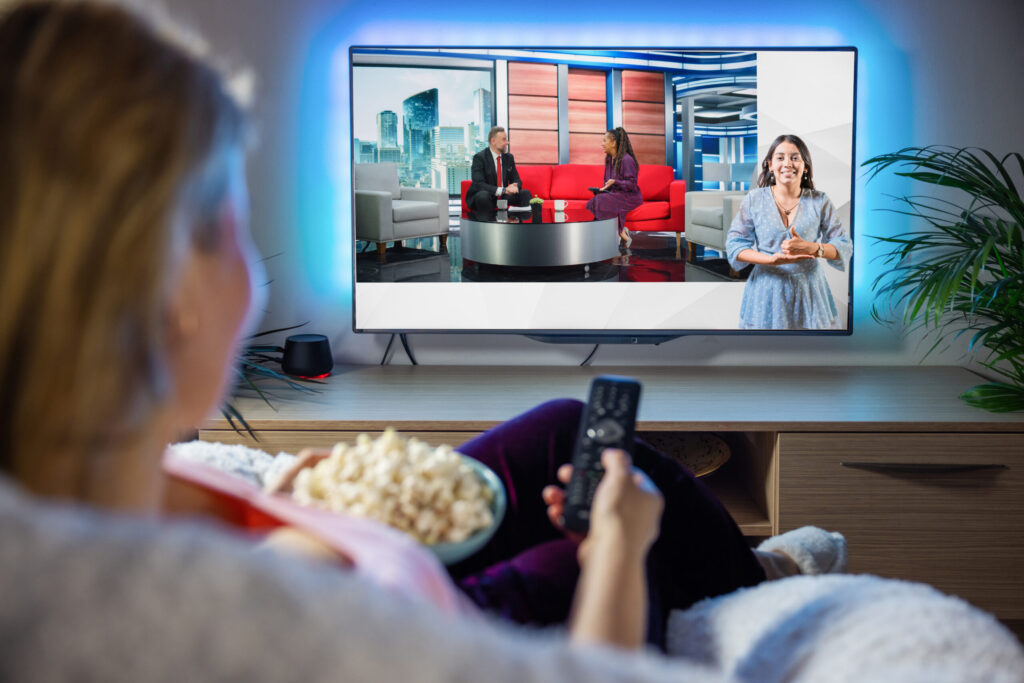
Clear communication can change lives. Every day, thousands of Deaf people face barriers to information that hearing people take for granted.
When you work with a BSL translator, you open your content to more than 150,000 BSL users across the UK. You help create a more inclusive world where Deaf people can access the same information as everyone else.
But creating effective BSL in-vision translations is about more than booking a translator and pressing record. BSL is a rich, complex language with its own grammar, structure and cultural nuances. To create in-vision translations that truly connect with Deaf audiences, you need to understand the process and how to support your translator’s work.
This guide will show you how to get the best results from your BSL in-vision translation project. Whether you’re creating training materials, public announcements or website content, these tips will help ensure your message reaches Deaf audiences effectively.
Planning for the best results
Time gives your translator the space to create accurate, natural in-vision translations. Book your BSL translator at least two weeks before your project starts. A longer lead time allows them to prepare properly and ask questions about your content.
Different content types need different preparation times. A simple announcement might need a few days of prep. A technical manual or training course could take several weeks. Complex medical or legal content often requires additional research time to ensure accuracy.
When you plan your project, factor in time for preparation, filming, editing and reviews. Remember that BSL translation isn’t instant – your translator needs time to understand your message and convey it accurately in BSL.
Share context and background information
Context shapes meaning. Your translator needs to understand your message, your audience and your goals. Tell them about your organisation and the purpose of your content. Explain any technical terms or industry-specific language you use.
Background information helps your translator choose the right signs and expressions. Share previous translations if you have them. Explain who’ll watch the video and what you want them to learn or do afterwards. If your content refers to specific people, places or events, provide details about these too.
Provide clear source materials
Good source materials lead to better translations.
So, send your translator a final version of the content you need to translate, not a rough draft. Include any visual materials you plan to use, like images or graphics. These will help your translator plan how to reference visual elements in their translation.
Written materials should be in clear, plain English. Use short sentences and simple language. Break complex ideas into smaller chunks. If you use acronyms or specialised terms, include a glossary. Add notes about pronunciation for names or unusual words.
Consider your filming environment
Your filming setup affects the quality of your translation. Choose a room with plenty of space and good lighting. Your translator needs room to sign clearly and expressively. The background should be plain and uncluttered.
Lighting should be bright but not harsh. Avoid shadows on the translator’s face and hands. Ask your translator to wear plain, dark clothing that contrasts with their skin tone. This makes their signs easier to see.
Understand the translation process
BSL isn’t signed in spoken English. It has its own grammar and structure. Your translator will focus on conveying your message’s meaning rather than translating word for word. This might mean changing the order of information or using different examples to make sense in BSL.
Cultural elements matter, too. Some concepts that work in English might need a different approach in BSL. Trust your translator’s expertise in making these adaptations. They understand both languages and their cultural nuances and can help your message resonate with Deaf audiences.
Communication during the session
Open dialogue with your translator creates better results. Encourage questions before and during filming. If something isn’t clear, your translator should feel comfortable asking for clarification. This prevents misunderstandings and improves accuracy.
While filming, give your translator space to work. If you notice issues, wait for natural breaks to discuss them. Avoid interrupting mid-sign, as this disrupts the flow and can affect the quality of the in-vision translation.
Technical considerations
Video quality makes a big difference to BSL users. If possible, film in high definition with good frame rates, at least 25 frames per second. Your camera should be stable and at eye level with the translator. Sound quality matters, too, even for signed content, as some viewers may use both BSL and audio.
Save your files in standard formats that work across different platforms. Keep original files in high quality, even if you plan to compress them later for web use.
Common pitfalls to avoid
Last-minute changes can seriously affect translation quality. Once your translator has prepared the content, significant changes mean starting the preparation process again. This costs time and might affect the natural flow of the translation.
Rushing the process rarely works well. Poor preparation leads to mistakes and unnatural signing. Unclear briefs cause confusion and might mean reshooting content. Give your translator the time and information they need to do their job well.
Pre-recorded content allows for more refinement. Plan time for reviews and corrections. Web content might need special considerations for file sizes and formats. Training materials often need careful structuring to ensure clear learning progression.
Live events need different approaches from pre-recorded content. For live events, share schedules, scripts and presentations well in advance. Your translator needs time to prepare for specific terminology and content flow.
Working with Sign Solutions
Our experienced, native BSL translators bring years of experience to your projects. We guide you through each step of the process, from planning to final delivery. Our quality assurance process ensures accurate, natural in-vision translations that connect with Deaf audiences.
We can also help you plan your project properly from the start, advising you on timelines, technical requirements and best practices for your specific needs. We’ll work with you to understand your goals and deliver translations that achieve them.
Ready to start your BSL in-vision translation project? Contact us to discuss your needs. Call us on 0843 178 0773, email bookings@signsolutions.uk.com, or contact us through a BSL interpreter.