Deaf children, like all kids, deserve the opportunity to thrive and develop both academically and emotionally. However, they often face unique challenges that require specific support and understanding.
Understanding the nuances and challenges faced by Deaf children is the first step towards cultivating an environment where they can thrive. These children, just like their hearing counterparts, crave connection, understanding and the ability to express themselves freely. However, the path to achieving these simple human needs might look slightly different for them.
It’s important for schools and other education settings to become more inclusive and accessible, and provide guidance on how to foster the social and emotional development of these young individuals.
By embracing their unique strengths and needs, we can help Deaf children reach their full potential and become confident, resilient individuals.
Communication and language development
Deaf children may experience delays in language acquisition, which can impact their ability to express themselves and interact with others. Early support can mitigate these delays.
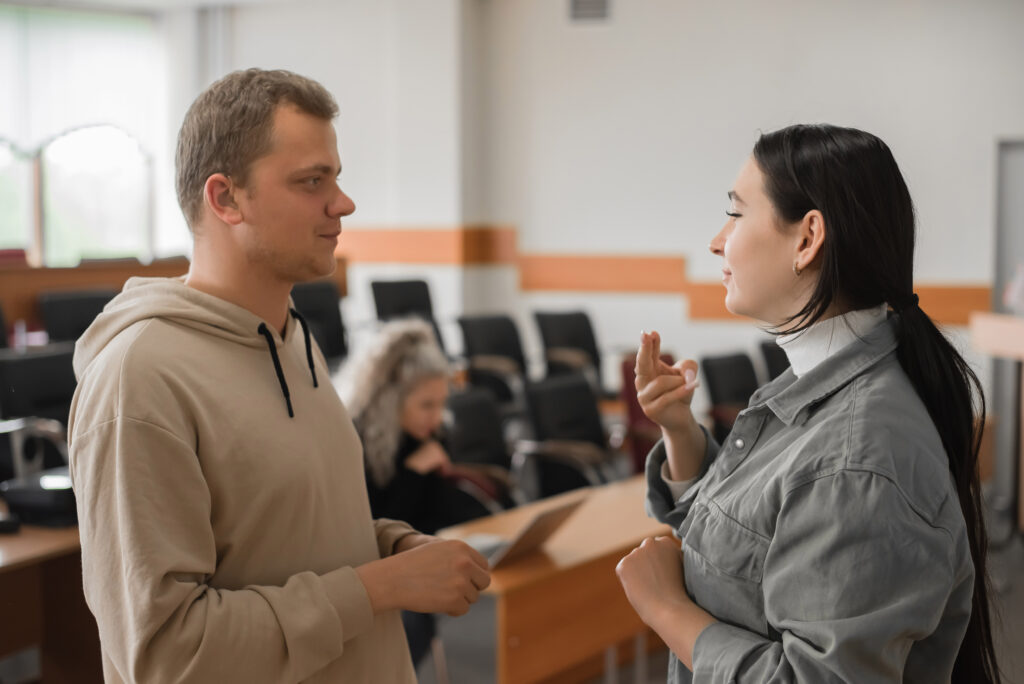
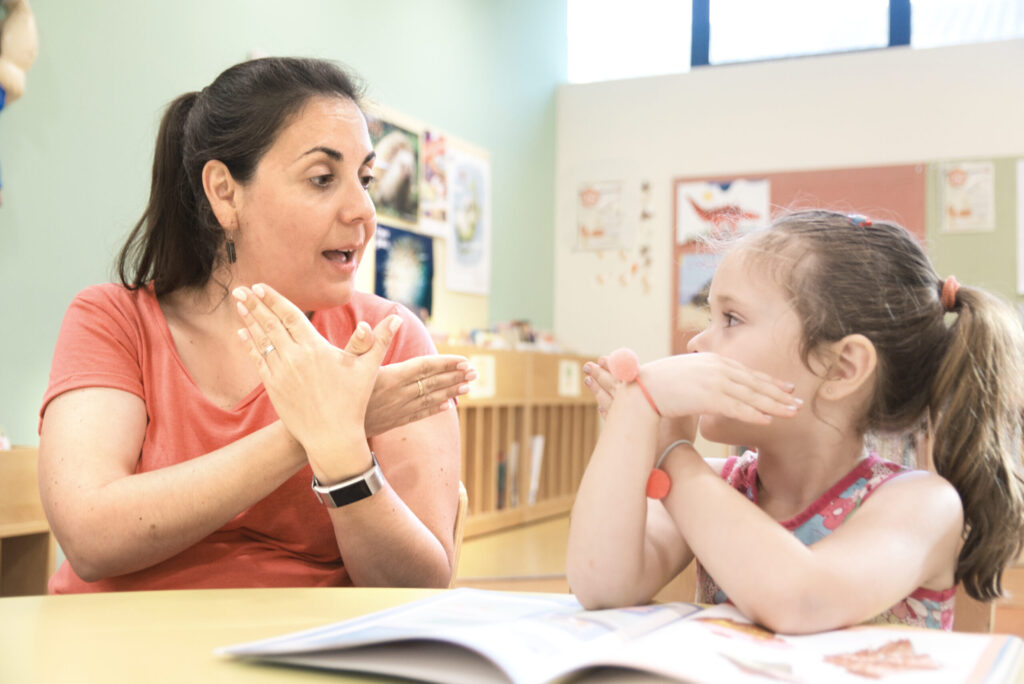
First and foremost, the ability to communicate is foundational for any child’s social and emotional development. For Deaf children, this often means relying on sign language, lip-reading or assistive technology. Schools and educational institutions must be equipped not just with the tools, but with the expertise. This includes having sign language interpreters, teachers who are trained in Deaf education, and an environment where visual communication is emphasised. Additionally, fostering an environment where both Deaf and hearing students learn basic sign language can bridge communication gaps and encourage inclusivity.
Self-esteem and confidence
Deaf children might sometimes struggle to express their emotions, especially if they feel misunderstood or sidelined. Providing avenues for emotional expression, whether it’s through art, physical activity or therapeutic avenues like counselling, is crucial. Counsellors and therapists trained in the unique needs of Deaf children can make a significant difference in helping them navigate their emotions.
Feeling included and valued helps build a strong sense of self-esteem and confidence in Deaf children. Social and emotional support can help them feel more secure in their identity.
While specialised schools for Deaf children provide an environment tailored to their needs, inclusion in mainstream schools also offers immense benefits. Deaf children can learn from their hearing peers and vice versa. It promotes understanding and empathy on both sides. However, the key is to ensure that Deaf students aren’t left feeling isolated. Peer programmes, buddy systems and inclusive extracurricular activities can help in building a sense of community.
Bullying prevention
Deaf children are at a higher risk of being bullied due to their differences. Developing social skills and emotional resilience can reduce their vulnerability to bullying. Creating a no tolerance for bullying within these education settings is also crucial.
Seeing individuals who have walked similar paths succeed can be incredibly empowering for Deaf children. Bringing in Deaf role models from various fields – be it arts, science, sports or any other area – can inspire them, showing that their potential is limitless.
Encourage peer education and awareness programs to foster understanding and empathy among hearing students. Deaf students can share their experiences and educate their peers about Deaf culture and communication.

Academic success
Emotional well-being is closely tied to academic achievement. When Deaf children (or any children for that matter) feel supported and confident, they’re more likely to excel in school. So, adapt the curriculum to meet the individual needs of Deaf students. Utilise visual aids, captioned videos and tactile materials to make learning more engaging and accessible.
Smaller class sizes allow for more individualised attention and support, which is essential for Deaf students who may need extra help with communication or understanding complex topics. Offer social skills training that includes role-playing, group activities and real-life scenarios. Teach Deaf children how to initiate and maintain conversations, read non-verbal cues and resolve conflicts peacefully. Teachers and parents should also have regular check-ins with Deaf children to assess their emotional well-being. Be attentive to signs of stress or anxiety and provide the necessary support.
Inclusive and accessible education settings
Creating inclusive and accessible education settings is the foundation for supporting Deaf children’s social and emotional development. The involvement of family and the wider community can’t be stressed enough. Workshops and programmes that educate parents, siblings and community members about Deaf culture, sign language and the challenges faced by Deaf children can create a holistic support system. After all, development is not limited to school settings alone. A supportive home environment plays an equally crucial role.
Supporting social and emotional development
Supporting the social and emotional development of Deaf children is not only essential for their well-being but also for their success in life. Inclusive and accessible education settings, combined with effective communication and targeted support, can empower Deaf children to flourish academically and emotionally.
Effective communication is vital for social development. Encourage Deaf children to express themselves in their preferred mode of communication, whether it’s sign language, speech or writing. Encourage open dialogue and active listening.
It’s also important to create an environment where Deaf children feel safe, respected, and valued. Address any incidents of bullying or discrimination promptly and sensitively (see above).
How can Sign Solutions help?
If you’re a school, college, nursery or other education provider looking to become more inclusive and accessible for Deaf children and their families, we can help.
With a range of training programmes and courses, including British Sign Language training and Deaf Awareness courses, we can work with you to make your provision better.
For further details and advice, please phone 0121 447 9620, email bookings@signsolutions.uk.com, or contact us via a BSL video interpreter using InterpretersLive! via the website or app.