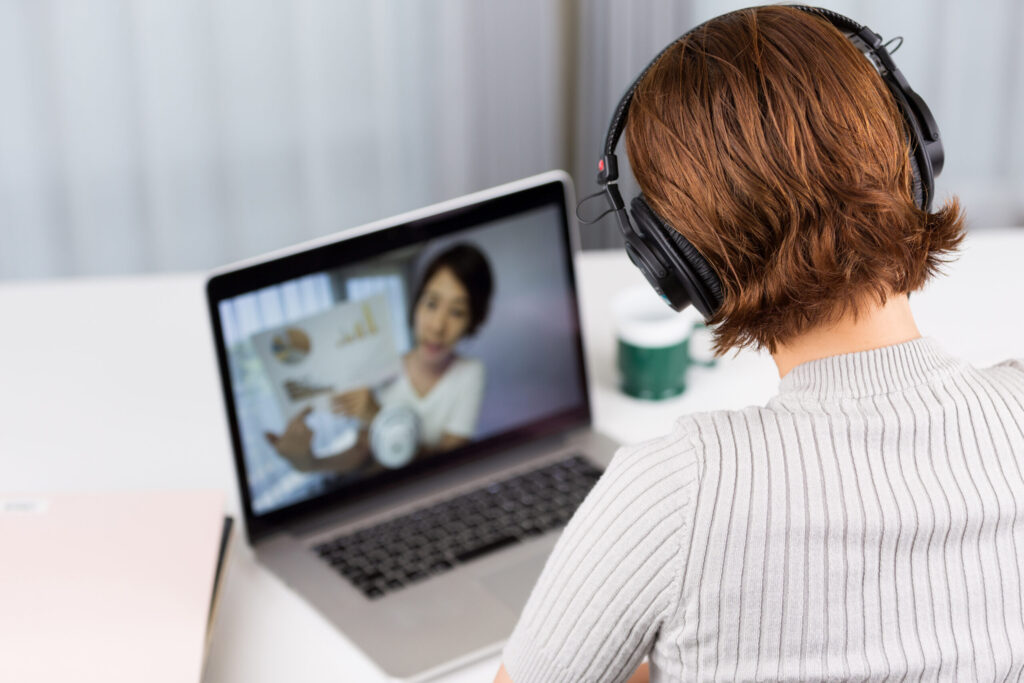
Video content is quickly becoming the leader in the best performing content on social media. With platforms such as TikTok, Facebook and Instagram, users consume and interact with moving images or animation much more than static images.
For a successful social media strategy, video marketing at the very least needs to be on your radar for boosting engagement and reaching your target audience.
However, with video, comes a greater responsibility for your content to be accessible for all social media users. Captioning your brand videos, whether automatically generated or edited in post-production will do wonders for your viewership by making your content more accessible and showing your brand’s inclusivity. Here’s why…
The benefits of adding captions to videos
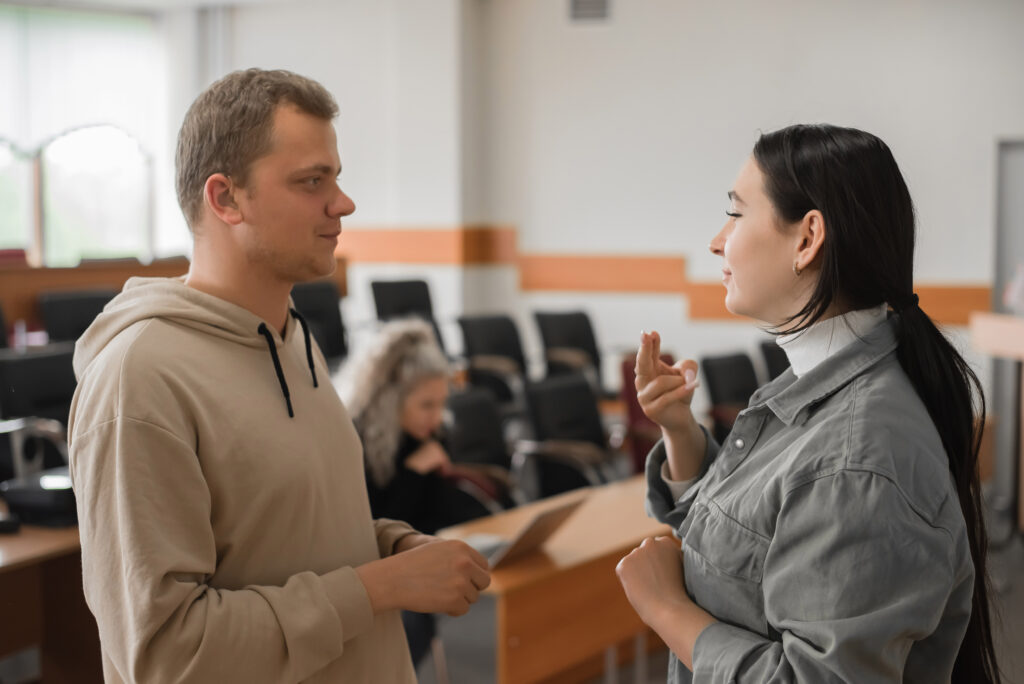
Captioning your videos can help bridge the communication gap between hearing and Deaf individuals, making it easier for them to access information that would otherwise be inaccessible.
Captions are more than just adding subtitles to your video – they are an essential tool for improving access, engagement and understanding.
By providing captions, you can make sure that those who cannot understand spoken or signed words have equal access.
However, it’s essential to remember that while English captions are great for hard of hearing people, profoundly Deaf BSL users would also prefer the addition of a BSL in-vision interpreter, so the content is also accessible in their first or preferred language of BSL.
These simple steps can show respect for Deaf viewers as well as promote healthy communication between all parties involved.
It’s worth bearing in mind that hearing people often prefer captions too. Many people view social media videos on their phone, in public places, so adding captions means viewers will still be able to understand – and, hopefully, enjoy – your content without having to turn up the volume and disturb other people.
Some of the other benefits of captioning your social media videos for a Deaf audience include:
Aids in communicating the right message
Your tone of voice should always be at the forefront of your mind when creating content, whether it’s a blog or website copy for a page. The same should apply for your social media and video content. You want to convey the same tone and message across every marketing channel you use, and captioning on videos and audio content will only make this easier.

Makes content accessible for all
Accessibility is everything. The last thing you want to do as a business is alienate people from your brand. Deaf and hard of hearing people will be able engage and consume your content more easily when captions and BSL in-vision interpreting are added to video and audio which, in return, promotes you.
Creates a more engaging piece of content
If you have a video on Facebook where you’re talking about your business, but there are people viewing who are members of the Deaf community, or don’t speak your language in the video, captions will come in handy. This is especially useful if you’re marketing internationally. Your message is also more likely to resonate with a wider group of people if they’re both hearing and reading what you have to say.
How to add closed captions or subtitles to your social media videos
While videos are a great way to increase your brand awareness and establish yourself as an authority, it’s important to reach out to – and include – all your audience. Closed captions, in-vision BSL interpretations and subtitles enable people who are Deaf or hard of hearing to understand what you’re saying in the video.
There are several ways captions can be added to a video, from AI-generated script, to manually typing out what’s being said. Whichever method you use, all options are a simple yet effective and important way to bring your content up a level and to connect with your Deaf followers.
Google and most social media platforms have automated captioning software that generates the caption for you. While this doesn’t always result in accurate transcriptions, it’s a fast and easy way to get captions on your content.
Depending on your budget, the type of video you’re sharing and your time restrictions, you could find an in-house member of your team to manually write out captions while editing the rest of the video content. While this can become time-consuming, it’ll provide a much more accurate speech-to-text translation.
If you’re about to embark on a video project for broadcast, an event, or online and aren’t quite sure how to make it fully accessible to a Deaf audience, Sign Solutions can help. We provide a full range of video interpreting and BSL in-vision translation services, plus expert consultancy to help you share your content in a way that’s inclusive and effective.
For more information on how we can help, give us a call on 0121 447 9620 or email bookings@signsolutions.com.