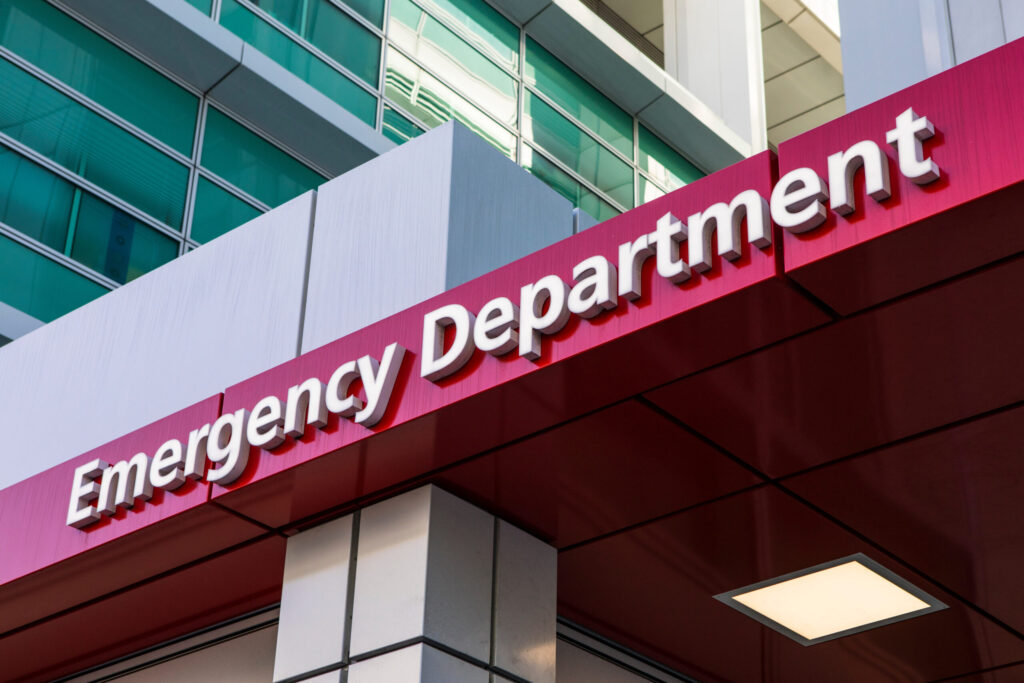
Hospitals, clinics, doctors’ surgeries and dental practices all around the country are feeling the strain. Thousands of patients walk in and out every day. So, imagine walking into such a busy environment alone, feeling unwell and knowing you won’t be understood.
That’s the reality many Deaf people face.
Communication in healthcare is critical, no matter anyone’s circumstances.
For Deaf people, it’s even more vital. Healthcare providers have a duty to recognise and meet the needs of their Deaf patients.
This guide shares some practical steps you can take straight away to help you communicate better with your Deaf service users.
Communication barriers in healthcare
Deaf patients use various methods to communicate, with British Sign Language (BSL) being central for many. Around 87,000 Deaf individuals in the UK use British Sign Language. Of those, around 25,000 use it as their primary language for everyday communication. Many of these people have no other means of communication. That means misunderstandings crop up in industries like healthcare when there’s nobody to interpret for them.
Healthcare providers often have the misconception that family members can serve as interpreters for Deaf individuals. While this might seem convenient, it risks compromising confidentiality and accuracy. For instance, what if you had to deliver bad news or explain a health condition that the patient wants to keep private?
Lip reading can work. Sometimes. However, naturally, some Deaf individuals are better at lip reading than others. And there’s no way to know for sure if your advice has been understood.
Written communication also falls short because medical terminology can be very complex. Also, like the rest of the population, Deaf people have varying literacy levels. It can also take a considerable amount of time to have a back-and-forth conversation in writing.
Deaf individuals are also more likely to suffer from concentration fatigue. All that effort trying to lip read, follow a BSL interpreter’s signs or understand a hearing person (such as a doctor or nurse) is extremely tiring, and might lead to a misunderstood diagnosis or medical instructions.
In emergencies, the barrier between healthcare staff and a Deaf person might be so severe that you can’t understand each other at all.
How to overcome Deaf communication barriers in healthcare
Clear communication starts long before the appointment begins. Investing in an accessible booking system that recognises the need for interpreting services can help your consultations run smoother. You should offer multiple options for booking, including online forms and telephone lines with relay services. This gives your Deaf patients space to request any extra support they might need.
The Equality Act 2010 places a legal obligation on healthcare providers to make reasonable adjustments. One of these is arranging qualified BSL interpreters, which providers are responsible for funding. That way, your Deaf patients receive the same quality of care as your hearing patients.
During medical consultations, trained BSL interpreters (either in person or via a live video link) play a vital role. They help convey complex medical information. So, make sure you explain the consent process in full so that your Deaf patients understand what they’re agreeing to. Interpreters follow strict privacy protocols and professional standards, so confidentiality is always respected.
For routine appointments, it’s essential to book a BSL interpreter in advance through an approved service, like InterpretersLive!. That way, everything’s ready when the patient arrives or logs in. Some NHS trusts also provide video relay services and on-demand interpreting, which are particularly helpful in urgent situations. You could also implement communication aids like loop systems and text-to-speech services to make appointments clearer and easier for Deaf patients, although these don’t replace BSL interpreters.
But what if you’re in an emergency with a Deaf person? Getting quick access to a BSL interpreter could save a life. Thankfully, many services now include on-call interpreters for urgent situations. It’s also essential that your staff know how to recognise when someone is Deaf and respond quickly and appropriately.
Going above and beyond to help BSL speakers
The Equality Act 2010 has had a profoundly positive impact on Deaf individuals.
As a healthcare provider, the law calls for active steps to make services fair and accessible. So, what else can you do?
Deaf awareness training goes a long way in helping your staff develop empathy for your Deaf service users. Although it might not sound like much, allowing your staff to put themselves in a Deaf individual’s shoes could make all the difference when it comes to effective care and communication.
Accessible communication is something that needs ongoing attention. However, you can make life easier for everyone by building accessibility into your everyday routines. As we’ve discussed, this means offering appointments that include an option to book an interpreter, keeping your staff up to date with training and sharing information in a clear, usable manner.
It also helps to check in regularly. Listen to feedback from your Deaf patients to learn what’s working well and where things could be better. The more you can mould your services to meet people’s needs, the better.
All of this leads to better care, stronger relationships and greater trust. When your Deaf patients feel heard and understood, they’re more likely to take part fully in their care.
So, if you’re ready to make communication clearer and more inclusive, Sign Solutions is here to help. Our BSL interpreters and practical training programmes support healthcare teams like yours across the UK. Get in touch with us today to see how we can help you break down barriers and improve healthcare for your Deaf patients.