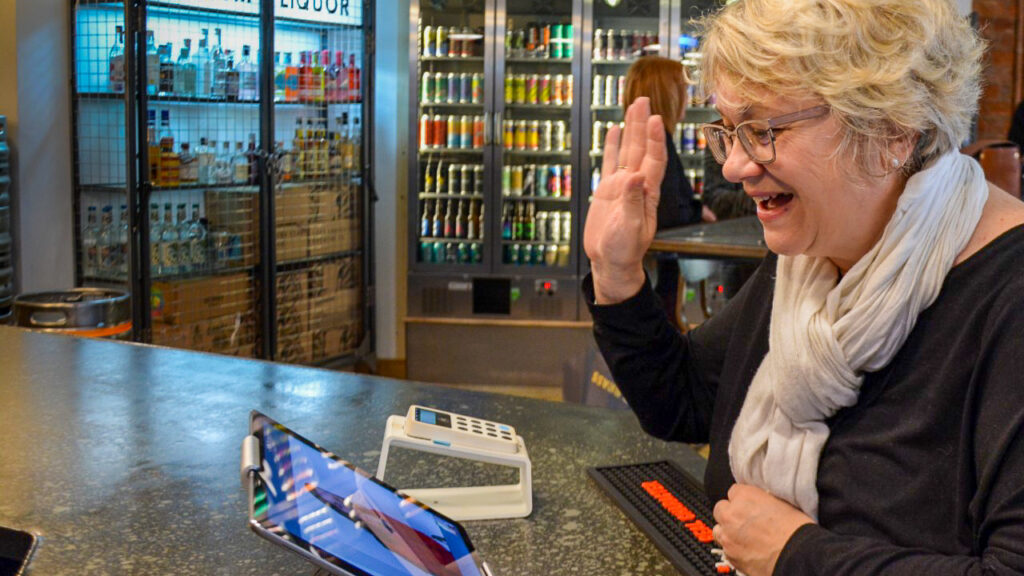
An invisible disability is a physical, sensory, psychological or neurological condition that is not visible from the outside, yet can limit or challenge a person’s daily life.
Deafness, or being Hard of Hearing is an invisible disability, because you can’t tell just by looking at someone, despite some members of the Deaf community wearing hearing aids or a cochlear implant.
To avoid discriminating against customers and potential customers within your business, it’s important to have steps in place to not only be able to recognise when someone may need additional support, but also to ensure your business is, and continues to be, inclusive for all individuals. Failing to accommodate customers from the Deaf and Hard of Hearing community can lead to anger and frustration on the part of the Deaf customer, losing existing and potential customers which can, in turn, harm your brand and reputation.
Your business may also fall foul of disability discrimination and equality laws, which can lead to hefty fines, negative press and further reputational damage. With a better understanding of Deaf issues, businesses can turn things around and provide an exceptional service to their Deaf and Hard of Hearing customers. Here’s how.

How to tell if a person is Deaf or Hard of Hearing
Although Deafness is classed as a hidden disability, there are some things that can help you spot whether a person is Deaf or Hard of Hearing:Their speech
It should be noted that some Deaf people won’t use their voice at all, but those who do may sound slightly different to what you’re used to hearing.They use BSL
There are an estimated 151,000 British Sign Language (BSL) users across the country. Seeing someone using BSL is an indicator that they may be Deaf. However, friends, family members and other professionals also use BSL.They may wear a hearing aid or cochlear implant
A physical indicator that a person is Deaf or Hard of Hearing is spotting a hearing aid (over the ear or bone-anchored) or cochlear implant. Both devices help the Deaf person to recognise some sounds but this varies from person to person.They may have requested a BSL interpreter
Deaf people have the right to request the use of a BSL interpreter when buying products or services from a business. This may include attending meetings and appointments to ensure that communication is clear and effective.How to make your business more accessible for Deaf customers
As an employer, the Equality Act 2010 legally obliges you to make ‘reasonable adjustments’ for staff with a hearing loss. These can include providing additional communication support measures such as BSL interpreters and assistive technologies like speech to text apps or amplified telephones. While these laws apply specifically to your employees, making your business more inclusive to all customers, including the Deaf community, doesn’t just make good business sense, it’s the right thing to do. Making adjustments for Deaf or Hard of Hearing customers often requires just small changes to create a more accessible environment.